Madonna Covers Patty Pravo For Dolce & Gabbana
How her version of Patty Pravo's "La Bambola" turned into an even bigger homage to Italian music
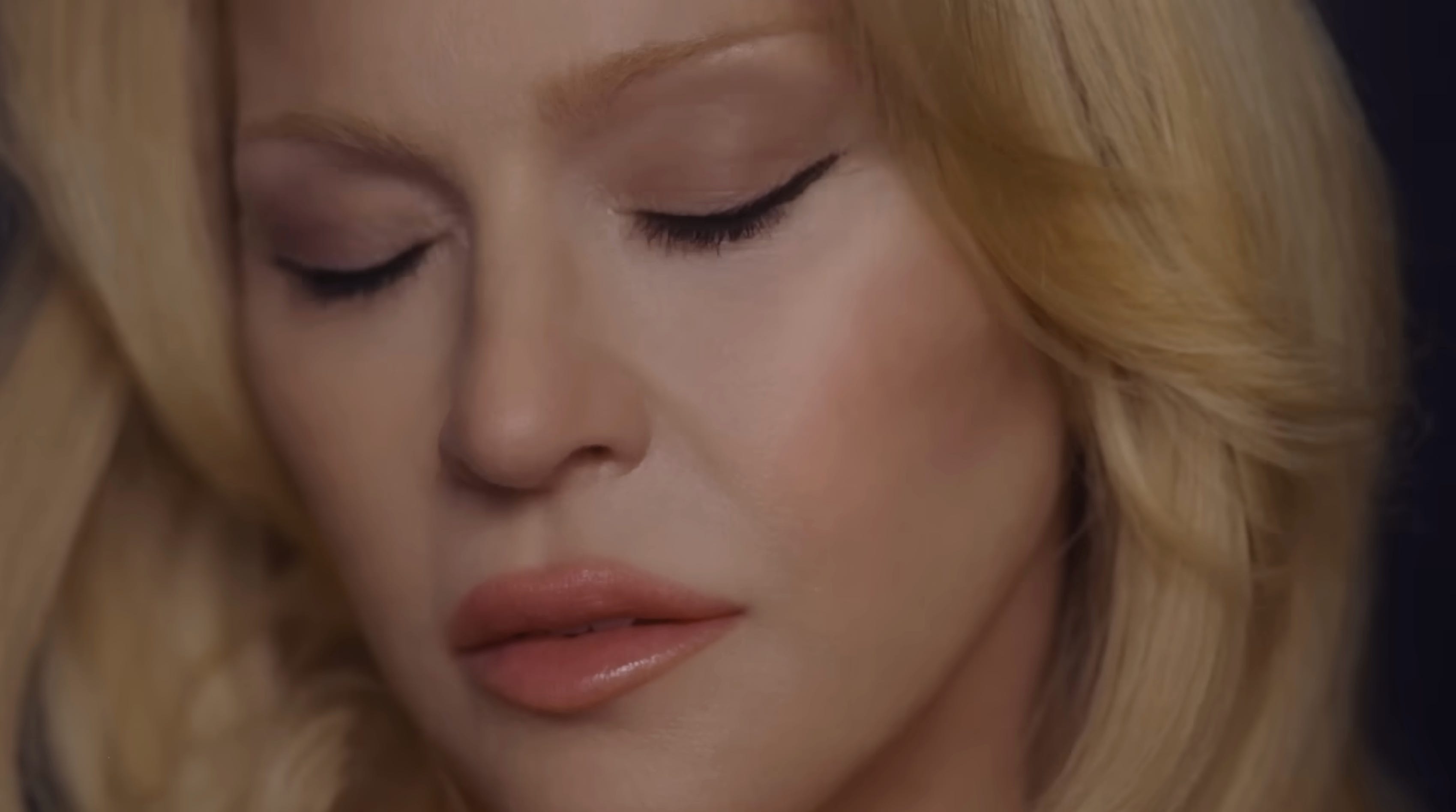
On January 8, 2026, our screens were graced with Madonna starring in the new ad for Dolce & Gabbana’s “The One”. In it, she appeared as the female protagonist of the video directed by Mert Alas, and also provided the soundtrack produced by long-time collaborator Stuart Price.
Specifically, she covered Patty Pravo’s “La bambola”, and with her performance, she crafted an artistically ambitious and multilayered homage to Italian music and popular culture. Her hair, makeup and styling do pay homage to the distinctive look of Pravo herself, known for her platinum blond hair, and her heavy eye makeup.
Released in 1968, “La bambola” (The doll) was Patty Pravo’s breakout hit. In it, she embodies a woman lamenting the fact that her man treats her like an object (the titular “doll”), only to discard her once she’s no use to him.
Despite having been passed to Pravo after having been rejected by Caterina Caselli, Little Tony, Gigliola Cinquetti,and the Rokes, the song—a quintessential piece of 1960s Italian pop, upon a superficial listening— proved to be a continent-wide sensation, certainly aided by Pravo’s alto-like register and sultry vocals, which gave the song a more sensuous quality. Internationally, the song was covered across the continent: there is a French version by Dalida, a Greek one by Mary Alexopoulou and a Bulgarian one by Margarita Radinska.
Madonna’s provides a sleek and elegant interpretation, almost Fellini-esque. The arrangement also echoes Maurizio and Guido De Angelis’s soundtrack to Paolo Poeti’s Inhibition, which tells the story of a wealthy heiress who, after years of sexual humiliation at the hands of her sadistic husband and his friends, struggles to regain her sense of identity, and finds an outlet in sexually dominating behaviors towards her young secretary.
The production, also sinuous and seductive, reminds us of the universe of Mina’s “Ancora, ancora, ancora” and “L’importante è finire,” and Chrisma’s 1977 hit “Lola” especially for the way she channels a type of sensuality that would be present in Pravo’s later work (such as “Pensiero stupendo”)
Fashion and luxury houses have been exploring the archives of Italian and Europop for the past few seasons: Gucci turned Mina’s “Ancora, ancora, ancora,” written by Cristiano Malgioglio, into their Sabato-de-Sarno-era anthem; Chanel used Amanda Lear’s “Follow Me,” subsequently covered by Bertrand Burgalat, A.S. Dragon, and featuring vocals by Whitney Peak, for the campaigns surrounding the Coco Mademoiselle fragrance.
Ultimately, Madonna shows how Italian pop music heritage can still be a living source of inspiration not something frozen in nostalgia, but a language that can be reinterpreted and expanded. She builds new layers around it, new contexts, new emotions, and new audiences - so that the same heritage can be rediscovered, revalued, and enjoyed in entirely fresh ways.