

"Non è la RAI" between futurism and nostalgia
How this youth-oriented 1990s variety show paved the way for social-media dynamics while honoring the Italian music repertoire of the past


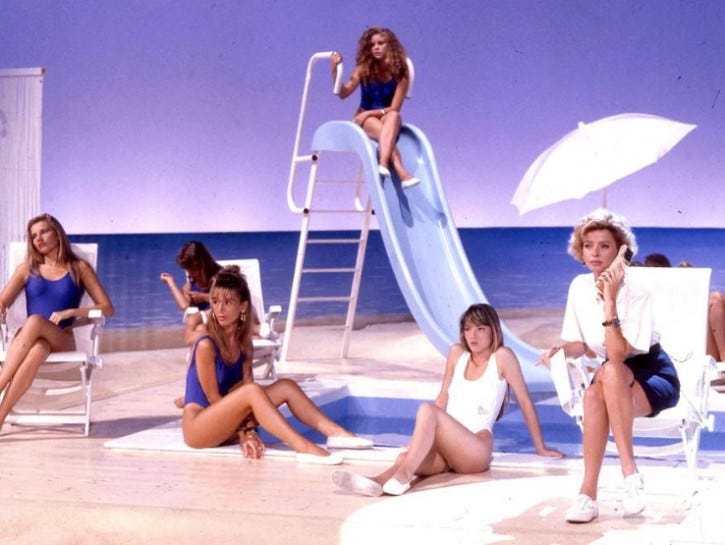
When Non è la RAI debuted in September 1991, it felt like an unassuming daytime variety show targeting housewives during their lunch time. With its TV featuring a different seasonal theme on each corner, its games like “Cruciverbone” (mega crossword), and its loosely choreographed dancing numbers, it represented the ideal anodyne background-noise form of entertainment (both visual and aura) that Netflix would then recreate in the 2020s with the so-called Ambient TV phenomenon.
With season 2, however, the tides turned: the set was overhauled, and it became a vaporwave-forward artificial tropical island. Producers realized they had another key-fandom demographic to appease and exploit, namely kids, pre-teens, and teens. All the featured talent (up to was aged between 11 and 18, so the audiences could easily identify with them in what was, by all means, the forerunner to the modern-day parasocial relationships people have with influencers, creators, and personalities who, thanks to social media, give their followers the illusion of proximity.
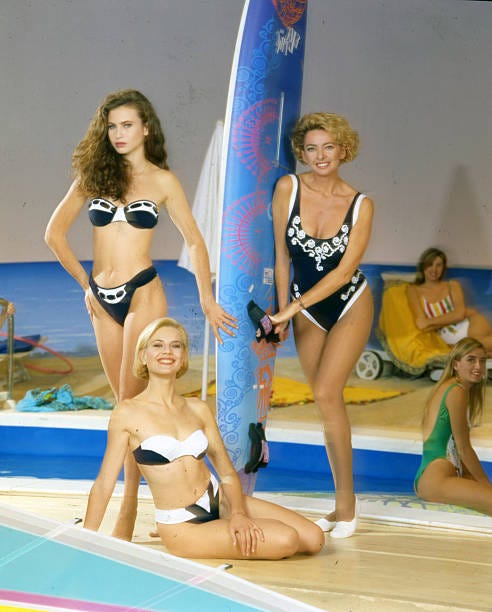
With its combination of rudimentary dance routines paired with scantily-clad bodies, edgelord-like numbers, and school-aged girls de facto working for two hours a day five days a week, the show managed to anger feminists, priests, Christian associations like Famiglia Cristiana, and children’s rights’ activists. Singer-songwriter Vasco Rossi also wrote a song about the phenomenon, titled “Delusa,” which was promptly mocked during the program with a parody that would become one of the opening themes: “Affatto Deluse.”
So why are we writing about this on this platform, which is devoted to music? It’s because it is a clear example of how music nostalgia works within Italian entertainment and popular culture.
In the first place, this show is the brainchild of Gianni Boncompagni, a name that you will all be familiar with once you realize he penned “Non ti mettere con Bill” (1970), “Reggae Rrrrr!” (1970), “Vi dirò la verità” (1971), “Perdono, non lo faccio più” (1971), “Tuca tuca” (1971), “Papà” (1971), “Accidenti a quella sera” (1972), “Ma che sera” (1972), “Conosci Frankie” (1973), “Bumba mama” (1973), “Felicità ta ta” (1974), “Il guerriero” (1974), “Tabù” (1974), “Prima di dormire” (1974), “Superman” (1974), “Scordalo ragazzo mio” (1974), “Mi vien da piangere” (1974), “Male” (1975), “53 53 456” (1976), “Sciocco” (1976), “Bobo Step” (1976), “Fiesta” (1977), “Dreamin’ of You” (1977), “Non dobbiamo litigare più” (1977), “Vola” (1977), “I Thank You Life” (1977), “Mi sento bella” (1977), “How You Doin’” (1977), “Il presidente” (1977), “Ma ne sai più di me” (1977), “Tanti auguri” (1978), “Black Cat” (1978), “Sono nera” (1978), “Dancin’ in the Sun” (1978), “Tango” (1978), “Amoa” (1978), “Luca” (1978), “Ci vediamo domani” (1978), “California” (1978), “A Million Dollars” (1978), “Torna da me” (1979), “Povero amore” (1979), “A parole” (1979), “Drin drin” (1979), “E salutala per me” (1979), “Ma che vacanza è” (1979), “Soli soli” (1979), “Joggin’” (1979), “Pedro” (1980), “Life Is Only Rock’n’Roll” (1980), “Uno, due, tre” (1980), “Mi spendo tutto” (1980), “In the City” (1980), “Latino” (1980), “Io non vivo senza te” (1980), “Ratatataplan” (1980), “Amicoamante” (1980), “Maria Marì” (1980), “Ballo, ballo” (1982), “Una coppia da buttare” (1982), “America” (1982), “Fatalità” (1983), “Dolce fa niente” (1984), “Rosso” (1984), “Amico” (1984), “Stupida gelosia” (1984), “Il mio computer” (1984), “Competition” (1984), “Bolero” (1984), “Io ti amo” (1984), “Tele-telefonarti” (1984), “Loving You Losing You” (1984), “Grande festa” (1985), “Una forza dentro te” (1985), and “Stasera io e te” (1985) for the one and only Raffaella Carrà.
Throughout his career, Boncompagni had the pulse on Italian youth culture: he was the one who hosted Discoring, which paved the way in Italy for youth-oriented tv entertainment; he hosted and directed Drim, filmed inside Rome’s own Piper, where music acts would perform in live lip-sync fashion; he directed the visionary varieté Illusione, musica, balletto, e altro. He penned Raffaella Carrà’s Pronto, Raffaella?, which cemented Carrà’s status as Italy’s premier day-time tv hostess and went on to win Europe-wide awards; he also invented the low-effort, daytime entertainment show Domenica In, another notable precursor of what we do refer to as ambient TV.
At Non è la RAI, a lot of the music numbers on the show consisted of covers of famed 1970s and 1980s Italian songs, where the girls would lip-sync and dance to a vocal track promptly recorded by a group of professional vocalists. It’s almost as if, with this show, he sought to recreate the same type of escapism Carrà embodied but fit for the shifting 1990s consumer trends.
Given their easy, schlager-like qualities, Carrà’s songs were obvious candidates.